Hartford Gutter Cleaning
Satellite-Measured. Same-Week Service.
Quote in15 Minutes
PicturesSent
30 DayWarranty
No needTo Be Home
Flat-rate gutter cleaning from $249. Serving the Hartford area. | Call: 877-736-0586
As Seen On





Clean Pro Gutter Cleaning Hartford
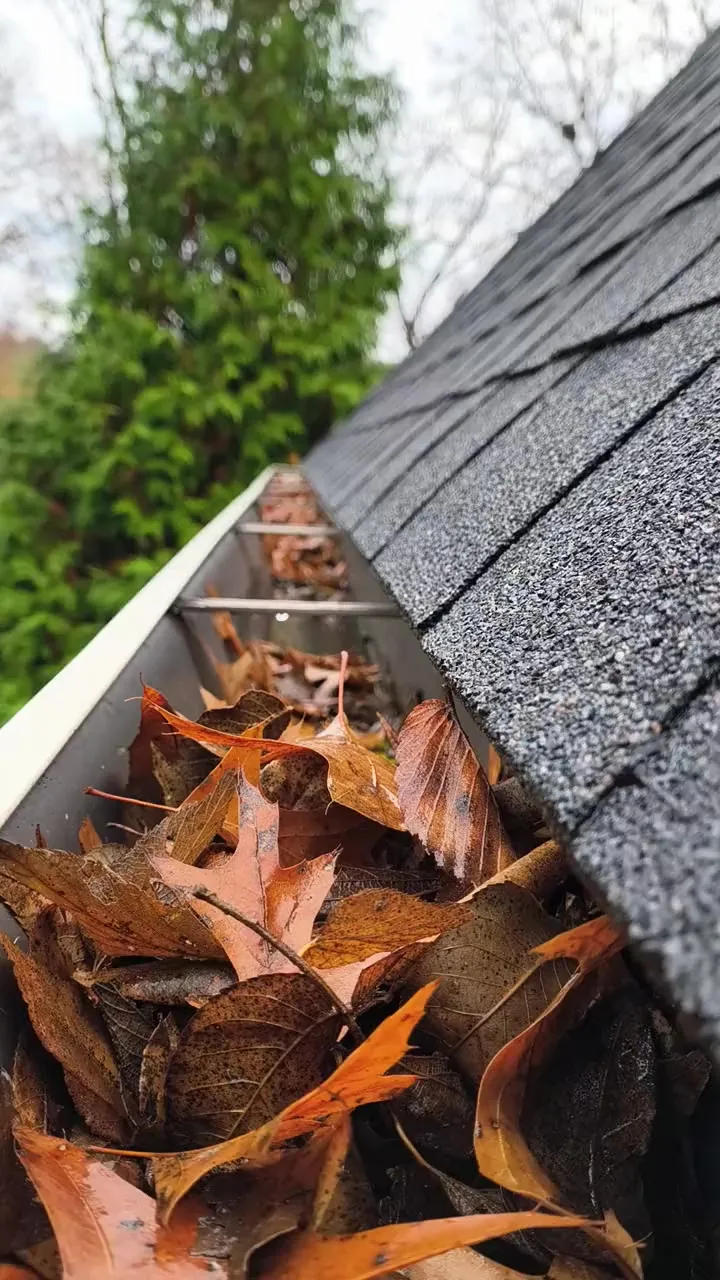
October Northern Red Oak shedding overwhelms Blue Hills gutter capacities. The rigid leaves bridge openings and prevent water from entering downspouts.
We provide specialized coverage for the unique architectural and geological needs of Hartford's diverse neighborhoods.
Why Choose Us
Get Your Firm Quote in 15 Minutes
Request your free quote online
Get matched with local pros
Schedule at your convenience
Clean Pro Is Trusted in Hartford
" Great service. Processional, courteous, and thorough. They did a great job. "
Carlos Melendez
East Hartford, CT
" Excellent service and communication. On time, friendly and professional. "
Jean Nieminski
" It think it was great. He didn’t bang around on ladders. He did the whole thing from up on the roof. "
Kerry Walters
Rated 4.9 stars by 3,700+ happy customers
Your Turn — Free QuoteGutter Cleaning for Hartford Homes
Clean Pro provides binding flat-rates, not estimates, because we use aerial mapping technology.
Gutter Cleaning For Standard (Single Story)
Gutter Cleaning For Medium (Two Story)
Gutter Cleaning For Large (Estate)
Hartford Gutter Maintenance Schedule
| Season | Recommended Window | Target Debris & Risk | Why It's Critical in Hartford |
|---|---|---|---|
| Spring | May 20 – June 5 | Maple "Helicopters" (Samaras) & Oak Catkins | Sugar Maples and Oaks drop millions of seeds that form dense, water-retentive mats. These mats trap moisture against wood fascia, attracting Carpenter Ants that excavate damp structural timber within weeks. |
| Summer | August 1 – August 15 | Storm Prep & Pest Control | Summer thunderstorms dump heavy rain that Varved Clay cannot absorb quickly. Clean gutters divert this volume away from the home, preventing the hydrostatic pressure that floods finished basements. Dry gutters also deny breeding grounds to West Nile-carrying mosquitoes. |
| Fall | November 15 – November 30 | Heavy Leaf Drop & Ice Dam Prevention | Wet leaves from Northern Red Oaks and Elms freeze into solid blocks during December temperature drops. This blockage forces melting snow from Nor'easters to back up under roof shingles, causing interior ceiling leaks. |
Spring
Recommended Window
May 20 – June 5
Target Debris & Risk
Maple "Helicopters" (Samaras) & Oak CatkinsWhy It's Critical
Sugar Maples and Oaks drop millions of seeds that form dense, water-retentive mats. These mats trap moisture against wood fascia, attracting Carpenter Ants that excavate damp structural timber within weeks.Summer
Recommended Window
August 1 – August 15
Target Debris & Risk
Storm Prep & Pest ControlWhy It's Critical
Summer thunderstorms dump heavy rain that Varved Clay cannot absorb quickly. Clean gutters divert this volume away from the home, preventing the hydrostatic pressure that floods finished basements. Dry gutters also deny breeding grounds to West Nile-carrying mosquitoes.Fall
Recommended Window
November 15 – November 30
Target Debris & Risk
Heavy Leaf Drop & Ice Dam PreventionWhy It's Critical
Wet leaves from Northern Red Oaks and Elms freeze into solid blocks during December temperature drops. This blockage forces melting snow from Nor'easters to back up under roof shingles, causing interior ceiling leaks.Key Takeaway
Schedule 3 annual cleanings during these seasonal windows: Spring (May 20 – June 5), Summer (August 1 – August 15), and Fall (November 15 – November 30). These align with Hartford's tree cycles and weather patterns, protecting your foundation, roof, and landscape from water damage and pest infestations.
Pine Tree Exception
If you have Pine Trees on your property (common in neighborhoods near mature pine trees), the standard schedule is insufficient. Pine needles bypass standard screens and create dense, localized dams that trap moisture year-round.
Recommended: Quarterly Service (Every 3 Months)
This prevents fascia rot and minimizes fire risk from accumulated pine needle buildup.
Serving Hartford & Surrounding Areas
Primary Neighborhoods
Regional Coverage
Map will load when scrolled into view
Connecticut Service Network
Hartford is part of our Connecticut gutter cleaning network. View all metro areas, service communities, and regional maintenance guidance.
View All Connecticut Locations Gutter Guard Protection in Hartford
Properties throughout West End and Asylum Hill necessitate frequent debris removal to prevent Northern Red Oak catkins from forming water-bridging mats inside channels. Review Clean Pro Guard protection systems available in Hartford to secure surgical-grade 304 stainless steel mesh that blocks organic debris. The installation network provides firm pricing at $22.50 per linear foot using satellite measurements rather than in-home sales consultations.
Why Clean Gutters in Hartford?
The Impact of Hartford Silt Loam & Clay
The soil composition in Hartford is distinct from the rocky hill towns surrounding the city. The lowlands are dominated by Hartford Silt Loam and Glacial Lake Deposits, commonly known as varved clay. Unlike sandy soils that drain quickly, this silt-heavy composition retains moisture for extended periods. When gutters clog and overflow, water saturates the ground immediately adjacent to the foundation. This creates a "clay bowl" effect where water is held against the basement walls. As this water accumulates, it exerts hydrostatic pressure that can force moisture through porous brownstone mortar or crack modern concrete foundations, leading to the finished basement flooding common in neighborhoods like the West End and Southwest. Winter exacerbates these soil mechanics. When the saturated clay freezes, it expands significantly, causing frost heave. This upward force can shift patio pavers, crack driveways, and displace foundation footings. Functional gutters and extended downspouts are required to move this water at least 6 to 10 feet away from the home, bypassing the critical saturation zone.
Hartford homes face unique challenges due to local soil and climate conditions.
The soil composition in Hartford is distinct from the rocky hill towns surrounding the city. The lowlands are dominated by Hartford Silt Loam and Glacial Lake Deposits, commonly known as varved clay. Unlike sandy soils that drain quickly, this silt-heavy composition retains moisture for extended periods.
When gutters clog and overflow, water saturates the ground immediately adjacent to the foundation. This creates a "clay bowl" effect where water is held against the basement walls. As this water accumulates, it exerts hydrostatic pressure that can force moisture through porous brownstone mortar or crack modern concrete foundations, leading to the finished basement flooding common in neighborhoods like the West End and Southwest.
Winter exacerbates these soil mechanics. When the saturated clay freezes, it expands significantly, causing frost heave. This upward force can shift patio pavers, crack driveways, and displace foundation footings.
Functional gutters and extended downspouts are required to move this water at least 6 to 10 feet away from the home, bypassing the critical saturation zone.
Local Biological Threats: Seeds, Catkins, and Needles
Local tree species create specific debris challenges for Hartford homeowners.
The tree canopy in Hartford presents a specific biological schedule that dictates maintenance needs. The standard "fall cleaning" is often insufficient due to the prevalence of Sugar Maples and Oaks throughout the city. In May, Maples drop millions of samaras (helicopters), while Oaks shed stringy pollen catkins.
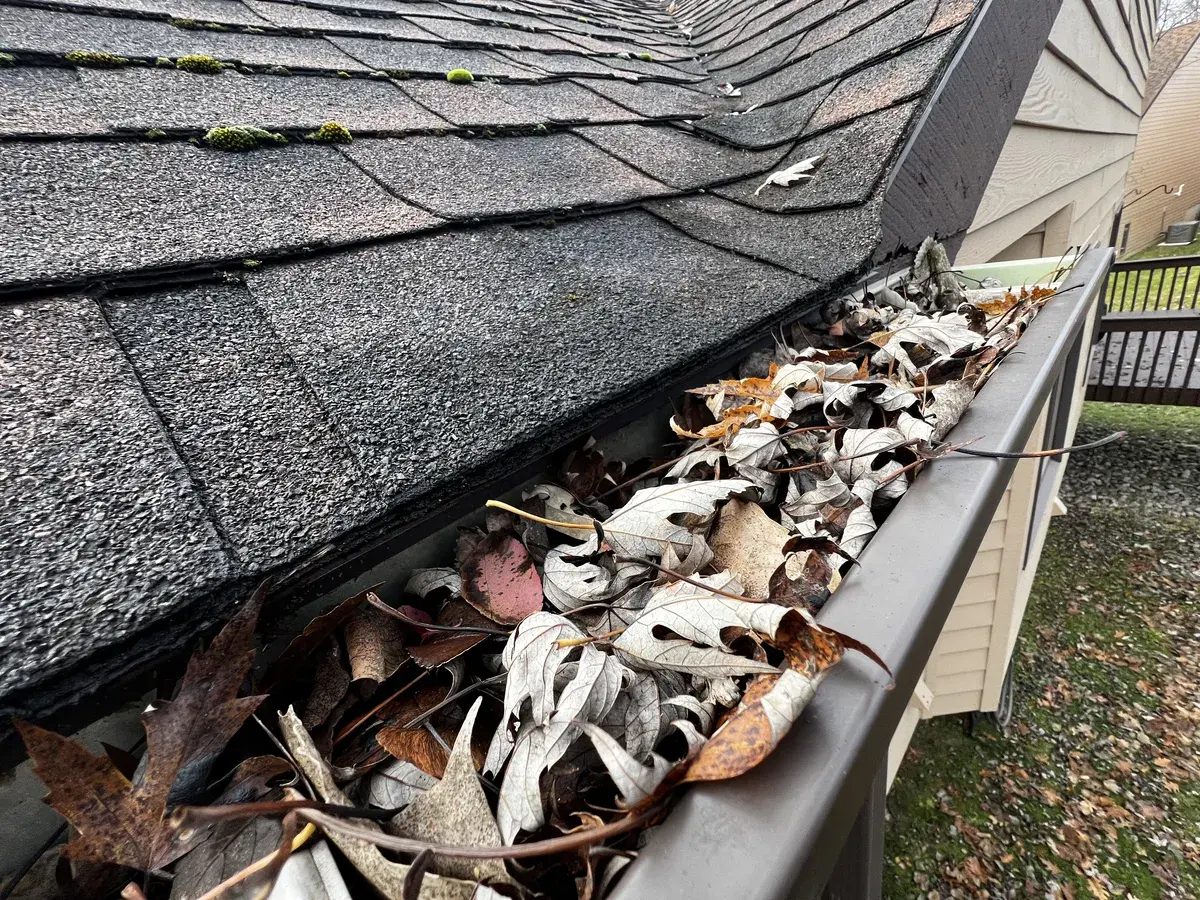
These spring materials mix with rainwater to form a dense, papier-mâché-like mat in the gutter trough. This debris clogs downspout cages and screens long before the first autumn leaf falls. If left unchecked, this spring blockage causes summer storm water to cascade over the gutter edge, eroding topsoil and staining siding.
In the autumn, the debris profile shifts to heavy broad leaves from Sycamores and the massive heart-shaped leaves of Catalpa trees found in the Upper Albany corridor. In historic districts, heavy concentrations of nut-bearing trees like Hickory and Walnut can dent aluminum gutters during mast years. Maintenance plans must account for these varying debris densities to ensure year-round flow.
Clogged gutters provide ideal breeding grounds for pests including mosquitoes and rodents.
Risks of Neglect
- red oaks leaf fall overwhelming gutters
- Saturated debris weight pulling gutters from fascia
- clay erosion & foundation shifting
- sugar maples debris compounding blockages
Benefits of Regular Cleaning
- Clear red oaks leaves before winter freeze
- Prepare your home for winter weather
- Protect clay foundation stability
- Stay current with 3x/year recommended schedule
October red oaks leaf drop is filling Hartford gutters — clear them before winter freeze.
Schedule October Leaf RemovalPreserving Historic Architecture
Hartford’s housing stock, particularly in the West End, Asylum Hill, and Scarborough Street areas, requires specialized handling. Many homes in these districts feature slate roofs, copper valleys, and intricate Victorian trim. Walking on slate tiles to clean gutters is strictly prohibited as it causes hairline fractures and voids roofing warranties. Service protocols for these properties utilize ladder stand-offs or boom lifts to access the roofline without applying pressure to the delicate slate. Copper gutter systems, often mandated by the Hartford Historic Preservation Commission, require soft-wash techniques to preserve the natural patina without scratching the metal. Furthermore, the prevalence of older wood-framed homes makes the region susceptible to "wet wood" pests. Carpenter ants and termites thrive in damp fascia boards caused by clogged gutters. Keeping the roofline dry is the most effective preventative measure against wood-destroying insects seeking entry into historic structures.
Cleaning Protocol
Inspection
Full assessment of roof, gutters, and downspouts for leaf accumulation, blockages, and fascia condition
Debris Removal
Hand removal of red oaks and sugar maples debris from all gutter runs and downspout entries
Clear & Verify
Clear compacted red oaks material and verify downspout throughput
Final Check
Verify all downspouts direct water away from clay foundation
Hartford Gutter Cleaning FAQs
Ready to Protect Your Hartford Home?
Protect My Home — Free Quote in Minutes