Park Ridge Gutter Cleaning
Satellite-Measured. Same-Week Service.
Quote in15 Minutes
PicturesSent
30 DayWarranty
No needTo Be Home
Flat-rate gutter cleaning from $249. Serving the Park Ridge area. | Call: 877-736-0586
As Seen On





Clean Pro Gutter Cleaning Park Ridge
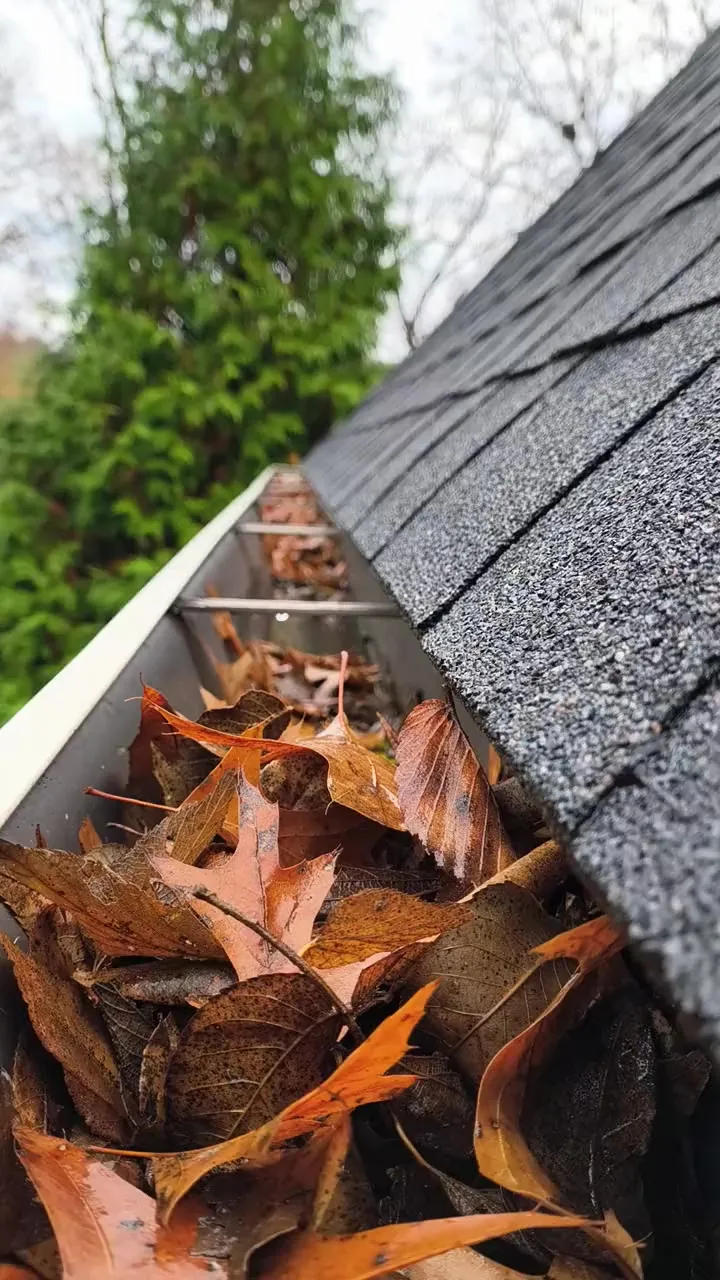
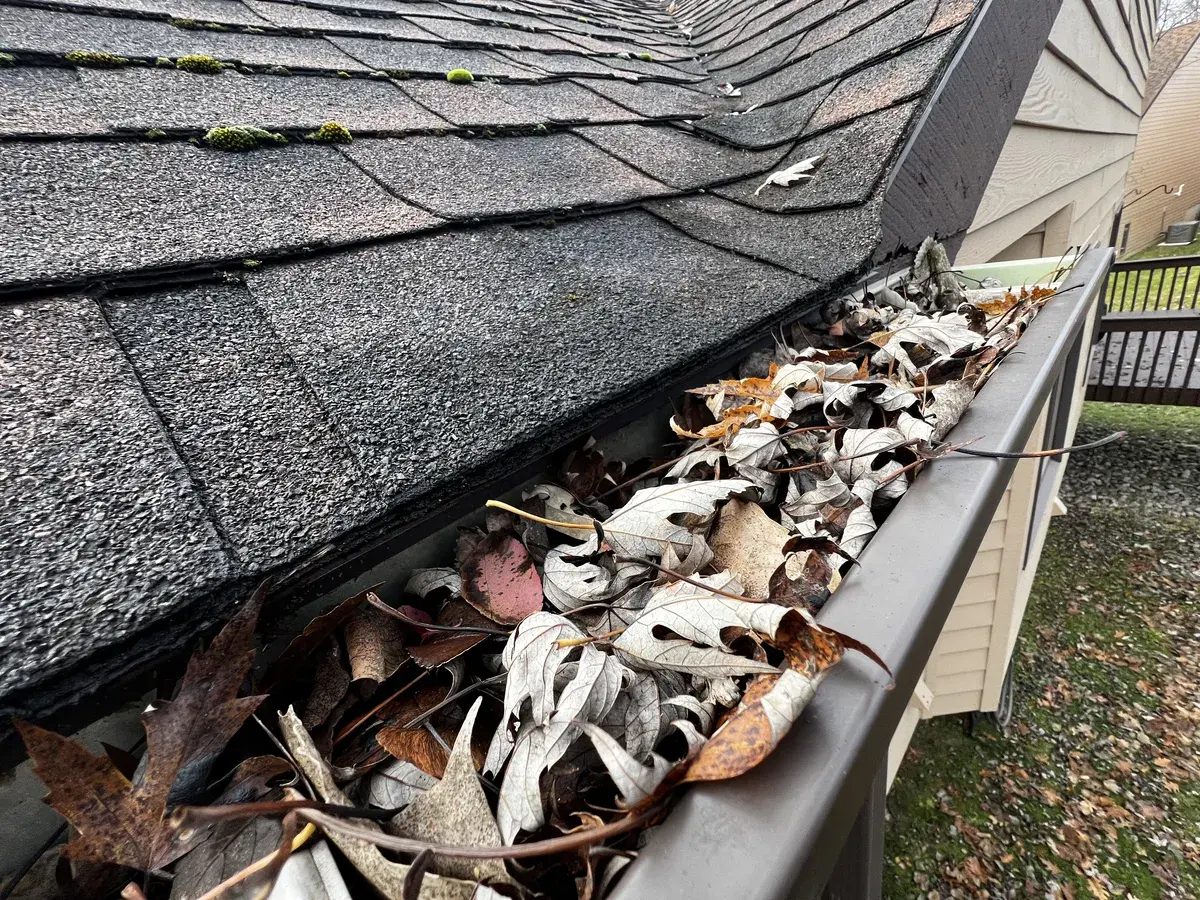
October triggers massive foliage drops from deciduous canopies. Wet leaves bridge South Park gutters and direct water behind vinyl siding.
Our network covers the entirety of Park Ridge and the immediate surrounding townships.
Why Choose Us
Get Your Firm Quote in 15 Minutes
Request your free quote online
Get matched with local pros
Schedule at your convenience
Clean Pro Is Trusted in Park Ridge
" Clean Pro Gutters uses the best people who can be counted on to do an excellent job. Scheduling is easy via online or texting & its customer service i... "
Jacki Masar
" Excellent service. Kyle came out and did a fantastic job at cleaning our gutters and having it all look great again "
Greg Greene
" Tech was there less than an hour. I was home during the time of service and would have liked to know when he was done so that I could ask questions ab... "
Jason Dubois
Rated 4.9 stars by 3,700+ happy customers
Your Turn — Free QuoteGutter Cleaning for Park Ridge Homes
Park Ridge extracts Silver Maple seeds from clogged catchment systems. Northern Red Oak biomass saturates Markham silt loam and fractures Full Basements.
Gutter Cleaning For Single-Story Standard
Gutter Cleaning For Two-Story High-Access
Gutter Cleaning For Multi-Level Estate
Park Ridge Gutter Maintenance Schedule
Park Ridge mandates 4 annual cleanings to remove Heavy Deciduous Biomass Accumulation generated by Silver Maple and Northern Red Oak trees. This frequency prevents runoff that saturates expansive Markham silt loam and damages Full Basement foundations.
| Season | Recommended Window | Target Debris & Risk | Why It's Critical |
|---|---|---|---|
| Spring | March – May | Silver Maple winged seeds and spring catkins fill gutters. | Overflow saturates Markham silt loam and damages Full Basement foundations. |
| Summer | June – August | Northern House Mosquito larvae and Carpenter Ant nests block flow. | Stagnant water saturates wooden fascia and degrades brick fascia. |
| Fall | September – November | Honey Locust leaflets and Northern Red Oak leaves overwhelm channels. | Heavy debris fractures slate roofs and damages tile systems. |
| Winter | December – February | Trapped foliage and decaying biomass solidifies in troughs. | Expansion triggers ice dams and fractures gutter systems. |
Spring
Recommended Window
March – May
Target Debris & Risk
Silver Maple winged seeds and spring catkins fill gutters.Why It's Critical
Overflow saturates Markham silt loam and damages Full Basement foundations.Summer
Recommended Window
June – August
Target Debris & Risk
Northern House Mosquito larvae and Carpenter Ant nests block flow.Why It's Critical
Stagnant water saturates wooden fascia and degrades brick fascia.Fall
Recommended Window
September – November
Target Debris & Risk
Honey Locust leaflets and Northern Red Oak leaves overwhelm channels.Why It's Critical
Heavy debris fractures slate roofs and damages tile systems.Winter
Recommended Window
December – February
Target Debris & Risk
Trapped foliage and decaying biomass solidifies in troughs.Why It's Critical
Expansion triggers ice dams and fractures gutter systems.Key Takeaway
Schedule 4 annual cleanings during these seasonal windows: Spring (March – May), Summer (June – August), Fall (September – November), and Winter (December – February). These align with Park Ridge's tree cycles and weather patterns, protecting your foundation, roof, and landscape from water damage and pest infestations.
Park Ridge Drainage Infrastructure Combats Des Plaines River Watershed Precipitation Loads
Primary Neighborhoods
Nearby Service Areas
Surrounding Cook County municipalities share identical drainage requirements driven by regional silt loam composition and precipitation patterns.
Des Plaines River Valley Sector
North Shore Border District
O'Hare Commercial Corridor
Southern Residential Enclaves
Map will load when scrolled into view
Illinois Service Network
Park Ridge is part of our Illinois gutter cleaning network. View all metro areas, service communities, and regional maintenance guidance.
View All Illinois Locations Gutter Guard Protection in Park Ridge
Silver Maples near The Country Club drop dense helicopter seeds during late spring that necessitate cleaning cycles three times annually. Homeowners Evaluate permanent gutter protection for your Park Ridge home to prevent seed and leaf accumulation inside the aluminum channels. The Clean Pro Guard system utilizes surgical-grade 304 stainless steel mesh to block maple seeds for a firm rate of $22.50 per foot.
Park Ridge Gutter Cleaning: Markham Silt Loam Soil Expansion?
Structural Displacement Driven by Reactive Clay Soil Expansion
Park Ridge gutter cleaning prevents structural displacement driven by reactive clay soil expansion.
Markham silt loam exhibits moderate-to-high shrink-swell capacity and expands significantly upon contact with uncontrolled roof runoff.
Saturated soil exerts intense hydrostatic pressure against full basement walls during the 38-inch annual rainfall cycle.
Water penetration through foundation pores initiates structural damage when gutters fail to direct flow 6 feet away.
Slab-on-grade foundations crack when moisture levels fluctuate beneath the concrete perimeter during May and June storms.
Preventing Ice Dam Formation During Severe Freeze-Thaw Cycles
Routine drainage maintenance in Park Ridge eliminates ice dam formation during severe winter temperature fluctuations.
Rapid thaw events like the Polar Vortex of January 2019 trigger widespread gutter detachment across Park Ridge residential zones.
Debris blockages trap meltwater that refreezes into heavy dams during severe freeze-thaw cycles common in the region.
Ice accumulation forces fascia boards away from rafters and drives moisture under shingles during January and February.
Unobstructed drainage prevents water backing up into the attic space during critical temperature shifts.
Managing Heavy Deciduous Biomass Accumulation in The Country Club and South Park
Professional channel clearing across The Manor extracts heavy deciduous biomass before decomposition solidifies blockage points.
Mature tree canopies in The Manor and South Park deposit distinct organic loads throughout the growing season.
Silver Maple seeds interlock within troughs to form water-impermeable sludge barriers during peak shedding in May.
Northern House Mosquito populations breed rapidly in stagnant water trapped by Heavy Deciduous Biomass Accumulation.
Timely extraction removes the breeding ground for Culex pipiens during the June through September peak season.
Local Vegetation Debris Profiles
- Silver Maple (The Manor): Winged seeds create dense mat-like barriers that prevent flow in May and June.
- Northern Red Oak (The Country Club): Spring catkins and rigid leaves bridge gutter openings during October and November.
- Honey Locust (Southwest Woods): Tiny compound leaflets pass through mesh guards to form dense sediment in the trough.
Preserving Historic Slate and Brick Facades in The Country Club
Scheduled debris extraction in Park Ridge protects vintage masonry and roof systems from water erosion.
Estates in The Country Club built during the 1920s feature high-pitched slate roofs that accelerate runoff velocity.
Overflow erodes mortar on brick fascia in South Park where eaves fail to clear the wall assembly.
Undersized 2x3 inch downspouts on 1950s homes overflow quickly when debris reduces the effective flow rate.
Upper-level downspouts in The Manor discharge directly onto lower shingles and accelerate granule loss without diversion.
Risks of Neglect
- Silver Maple leaf fall overwhelming gutters
- Saturated debris weight pulling gutters from fascia
- Markham silt loam erosion & foundation shifting
- Northern Red Oak debris compounding blockages
Benefits of Regular Cleaning
- Clear Silver Maple leaves before winter freeze
- Prepare your home for winter weather
- Protect Markham silt loam foundation stability
- Stay current with 4x/year recommended schedule
October Silver Maple leaf drop is filling The Country Club gutters — clear them before winter freeze.
Schedule October Leaf RemovalArchitectural Considerations for Park Ridge Homes
The diverse housing stock in Park Ridge requires specialized handling methods to prevent damage to historic and high-value materials. In the Country Club area, Slate and Clay Tile roofs are common on Tudor and Georgian Colonial estates. These materials are brittle and historic; walking on them can cause irreparable cracking and void warranties. Maintenance on these homes requires the use of ladder stabilizers or lift equipment to clean from the roofline without foot traffic. For the classic Bungalows in South Park and the Victorian homes near the Cedar/Summit corridor, steep roof pitches and aging fascia boards present safety hazards. Cleaning crews must assess the structural integrity of wood trim before placing ladders to avoid damaging rot-compromised eaves. Additionally, many historic homes feature copper gutter systems. Preserving the patina on these systems is essential. Cleaning protocols for copper involve avoiding abrasive metal tools that scratch the oxidation layer, utilizing soft-bristle brushes or PVC scoops instead.
Cleaning Protocol
Inspection
Full assessment of roof, gutters, and downspouts for leaf accumulation, blockages, and fascia condition
Debris Removal
Hand removal of Silver Maple and Northern Red Oak debris from all gutter runs and downspout entries
Clear & Verify
Clear compacted Silver Maple material and verify downspout throughput
Final Check
Verify all downspouts direct water away from Markham silt loam foundation
Park Ridge Gutter Cleaning FAQs
Ready to Protect Your Park Ridge Home?
Protect My Home — Free Quote in Minutes