Woodstock Gutter Cleaning
Satellite-Measured. Same-Week Service.
Quote in15 Minutes
PicturesSent
30 DayWarranty
No needTo Be Home
Flat-rate gutter cleaning from $249. Serving the Woodstock area. | Call: 877-736-0586
As Seen On





Clean Pro Gutter Cleaning Woodstock
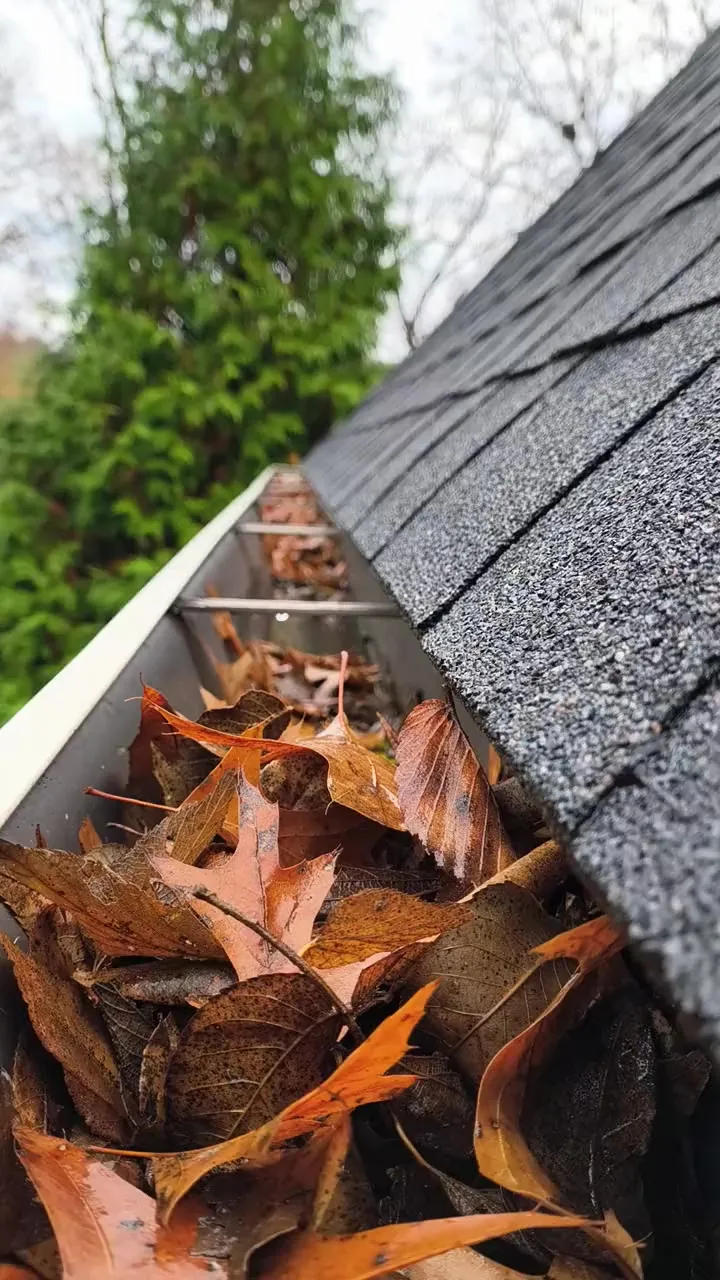
October Bur Oak leaves span gutter openings in Bull Valley, creating a deflection lid. Rainwater dumps over this barrier and saturates foundation perimeters.
Our network of independent professionals services the entire Woodstock municipality and the surrounding McHenry County region.
Why Choose Us
Get Your Firm Quote in 15 Minutes
Request your free quote online
Get matched with local pros
Schedule at your convenience
Clean Pro Is Trusted in Woodstock
" Professional job, competitive price. Service technician showed up on time and promptly completed the work, taking before and after photos. I would use... "
James Thome
" They showed up on schedule, did a good job of cleaning the gutters and took away the cleaned out gunk. "
Roy Jacobs
" Excellent service. Did a fantastic job of cleaning our gutters and downspout and flushed it out to ensure they were working properly. Great people and... "
Mindy Lodge
Rated 4.9 stars by 3,700+ happy customers
Your Turn — Free QuoteGutter Cleaning for Woodstock Homes
Clean Pro provides binding flat-rates, not estimates, because we use aerial mapping technology.
Gutter Cleaning For Standard (Single Story)
Gutter Cleaning For Medium (Two Story)
Gutter Cleaning For Large (Estate)
Woodstock Gutter Maintenance Schedule
Woodstock homeowners should clean gutters three times per year: in June to remove germinating maple "helicopters" and cottonwood fluff, in August to eliminate pest habitats before summer derechos, and in November to clear heavy oak leaves before the deep freeze.
| Season | Recommended Window | Target Debris & Risk | Why It's Critical in Woodstock |
|---|---|---|---|
| Spring | Late May – Early June | Maple Samaras ("Helicopters") & Cottonwood Fluff | Sticky Cottonwood fibers form a waterproof mat over gutter guards, causing immediate overflow. Maple seeds germinate inside damp gutters within weeks, rooting into gutter seams. |
| Summer | Late August | Storm Debris & Pest Prevention | Carpenter Ants establish colonies in wet debris near fascia boards during humid weeks. Cleaning prevents "bathtub effect" saturation of Elliott Silt Loam during late-summer flash floods. |
| Fall | Early – Mid November | Oak Leaves & Hickory Nuts | Wet oak leaves freeze into solid blocks, triggering ice dams that lift shingles. Heavy Hickory nuts (common in Bull Valley) add weight that pulls spikes loose from wood fascia. |
Spring
Recommended Window
Late May – Early June
Target Debris & Risk
Maple Samaras ("Helicopters") & Cottonwood FluffWhy It's Critical
Sticky Cottonwood fibers form a waterproof mat over gutter guards, causing immediate overflow. Maple seeds germinate inside damp gutters within weeks, rooting into gutter seams.Summer
Recommended Window
Late August
Target Debris & Risk
Storm Debris & Pest PreventionWhy It's Critical
Carpenter Ants establish colonies in wet debris near fascia boards during humid weeks. Cleaning prevents "bathtub effect" saturation of Elliott Silt Loam during late-summer flash floods.Fall
Recommended Window
Early – Mid November
Target Debris & Risk
Oak Leaves & Hickory NutsWhy It's Critical
Wet oak leaves freeze into solid blocks, triggering ice dams that lift shingles. Heavy Hickory nuts (common in Bull Valley) add weight that pulls spikes loose from wood fascia.Key Takeaway
Schedule 3 annual cleanings during these seasonal windows: Spring (Late May – Early June), Summer (Late August), and Fall (Early – Mid November). These align with Woodstock's tree cycles and weather patterns, protecting your foundation, roof, and landscape from water damage and pest infestations.
Pine Tree Exception
If you have Pine Trees on your property (common in Bull Valley Borders, Kishwaukee Valley Borders, or The Historic Square), the standard schedule is insufficient. Pine needles bypass standard screens and create dense, localized dams that trap moisture year-round.
Recommended: Quarterly Service (Every 3 Months)
This prevents fascia rot and minimizes fire risk from accumulated pine needle buildup.
Serving Woodstock & Surrounding Areas
Primary Neighborhoods
Nearby Service Areas
Map will load when scrolled into view
Illinois Service Network
Woodstock is part of our Illinois gutter cleaning network. View all metro areas, service communities, and regional maintenance guidance.
View All Illinois Locations Gutter Guard Protection in Woodstock
Mature Bur Oaks and Silver Maples throughout Bull Valley Borders deposit dense catkin sludge that solidifies inside aluminum channels and necessitates frequent extraction. Homeowners Review Clean Pro Guard protection systems available in Woodstock to secure surgical-grade 304 stainless steel mesh barriers against organic buildup. Clean Pro provides instant firm quotes at $22.50 per linear foot without requiring intrusive in-home sales consultations.
Why Clean Gutters in Woodstock?
Soil Composition and Foundation Risks
The soil profile in Woodstock is dominated by Elliott Silt Loam and Varna Silt Loam, both derived from glacial till. These soil types possess a high clay content, giving them significant shrink-swell capacity. When gutters clog and water spills over the eaves, the soil around the perimeter of the home absorbs this moisture and expands rapidly. This expansion exerts immense pressure on basement walls, often leading to horizontal cracking and structural instability. Because this heavy clay subsoil drains poorly, water accumulation creates hydrostatic pressure. Instead of filtering down into the water table, the water presses against the foundation. For the many historic homes near the Square with limestone foundations, this pressure can wash out the mortar, turning a damp basement into a flooding hazard. Winter introduces the risk of frost heave. If gutters are not cleared before the deep freeze, the saturated soil at the base of the home freezes and expands upward. This movement can heave concrete patios, disconnect downspout extensions, and further compromise the home's structural footing.
Woodstock homes face unique challenges due to local soil and climate conditions.
The soil profile in Woodstock is dominated by Elliott Silt Loam and Varna Silt Loam, both derived from glacial till. These soil types possess a high clay content, giving them significant shrink-swell capacity. When gutters clog and water spills over the eaves, the soil around the perimeter of the home absorbs this moisture and expands rapidly.
This expansion exerts immense pressure on basement walls, often leading to horizontal cracking and structural instability. Because this heavy clay subsoil drains poorly, water accumulation creates hydrostatic pressure. Instead of filtering down into the water table, the water presses against the foundation.
For the many historic homes near the Square with limestone foundations, this pressure can wash out the mortar, turning a damp basement into a flooding hazard. Winter introduces the risk of frost heave. If gutters are not cleared before the deep freeze, the saturated soil at the base of the home freezes and expands upward.
This movement can heave concrete patios, disconnect downspout extensions, and further compromise the home's structural footing.
Mold remediation from water intrusion can cost up to $30,000 according to Bob Vila's 2025 pricing data — more than 100x the cost of a single gutter cleaning.
Local Tree Canopy and Debris Management
Local tree species create specific debris challenges for Woodstock homeowners.
The biological threats to Woodstock drainage systems follow a strict seasonal calendar. In late spring, the mature Silver Maples and Norway Maples found in neighborhoods like The Maples and Victorian Row release thousands of samaras, commonly known as "helicopters. " These seeds are aerodynamic and sticky; if left in the gutters, they decompose into a dense muck that allows for germination, effectively planting small trees in the gutter trough within weeks.
By June, homes near Emricson Park and the Kishwaukee Valley borders face the Cottonwood bloom. This tree releases a cotton-like seed structure that forms a felt mat over gutter guards and strainers. Water slides over this mat rather than draining through it, rendering many DIY gutter screens useless until the debris is manually removed.
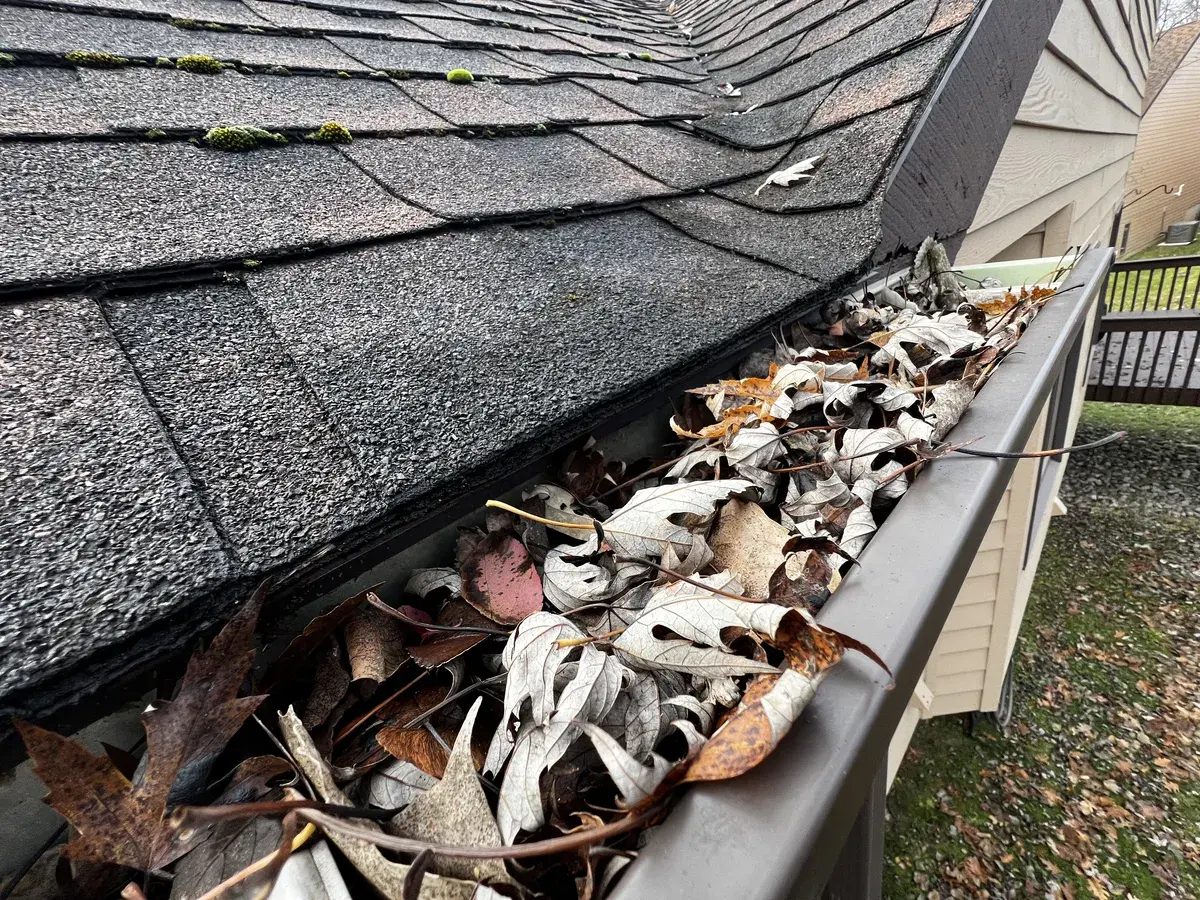
The autumn season brings the heaviest load from the majestic Oaks and Shagbark Hickories prevalent in the Bull Valley border estates and McConnell Road. These broad, stiff leaves do not compress easily. Instead, they bridge over the gutter opening, acting as a slide for rainwater to overshoot the system entirely.
This debris load requires thorough removal to prevent ice dams during the frequent "Panhandle Hook" winter storms common to Northern Illinois.
Clogged gutters provide ideal breeding grounds for pests including mosquitoes and rodents.
Risks of Neglect
- Saturated debris weight pulling gutters from fascia
- Foundation damage from uncontrolled runoff
- Landscape erosion & water damage
Benefits of Regular Cleaning
- Prepare your home for winter weather
- Protect your home's foundation
- Stay current with 3x/year recommended schedule
October leaf fall is peaking in Bull Valley Borders — clogged gutters cause water damage and foundation issues.
Schedule October Leaf RemovalArchitectural Considerations for Woodstock Properties
Properties located within the Historic Square District and Kimball Avenue often feature Victorian or Queen Anne architecture with intricate rooflines. These homes frequently utilize half-round gutters or copper systems that require specialized handling. Standard ladders cannot be rested against these materials without risking dents or patina damage. Maintenance on these homes requires the use of ladder stand-offs or roof-based cleaning protocols to preserve the historic integrity of the fascia and hardware. Newer developments in Apple Creek and Sweetwater typically feature steep-pitched roofs with architectural shingles. While these modern systems are robust, the high volume of mineral grit shedding from new shingles can combine with organic debris to create heavy sludge in the gutter corners. This sludge adds significant weight to the aluminum hangers, necessitating regular clearing to prevent the gutters from pulling away from the fascia board.
Cleaning Protocol
Inspection
Full assessment of roof, gutters, and downspouts for leaf accumulation, blockages, and fascia condition
Debris Removal
Hand removal of leaves, twigs, and debris from all gutter runs and downspout entries
Clear & Verify
Clear compacted leaf material and verify downspout throughput
Final Check
Verify all downspouts are clear and directing water away from foundation
Woodstock Gutter Cleaning FAQs
Ready to Protect Your Woodstock Home?
Protect My Home — Free Quote in Minutes