Wake Forest Gutter Cleaning
Satellite-Measured. Same-Week Service.
Quote in15 Minutes
PicturesSent
30 DayWarranty
No needTo Be Home
Flat-rate gutter cleaning from $249. Serving the Wake Forest area. | Call: 877-736-0586
As Seen On





Clean Pro Gutter Cleaning Wake Forest
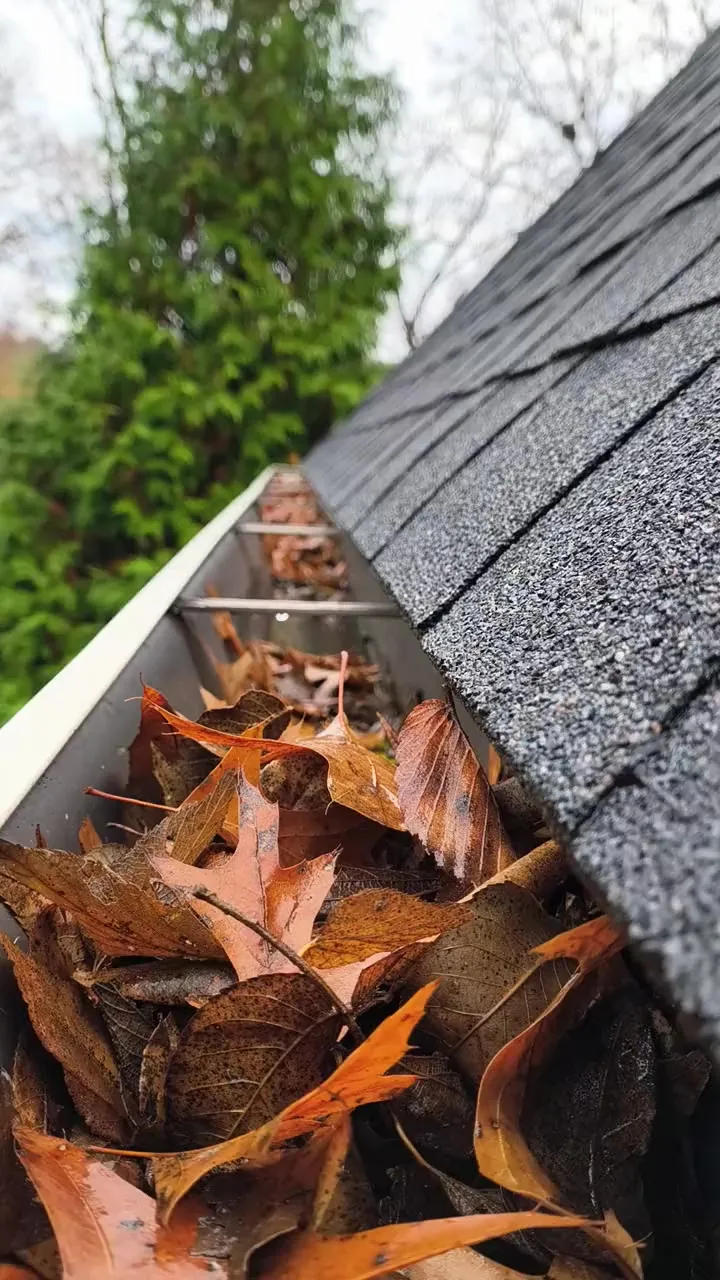
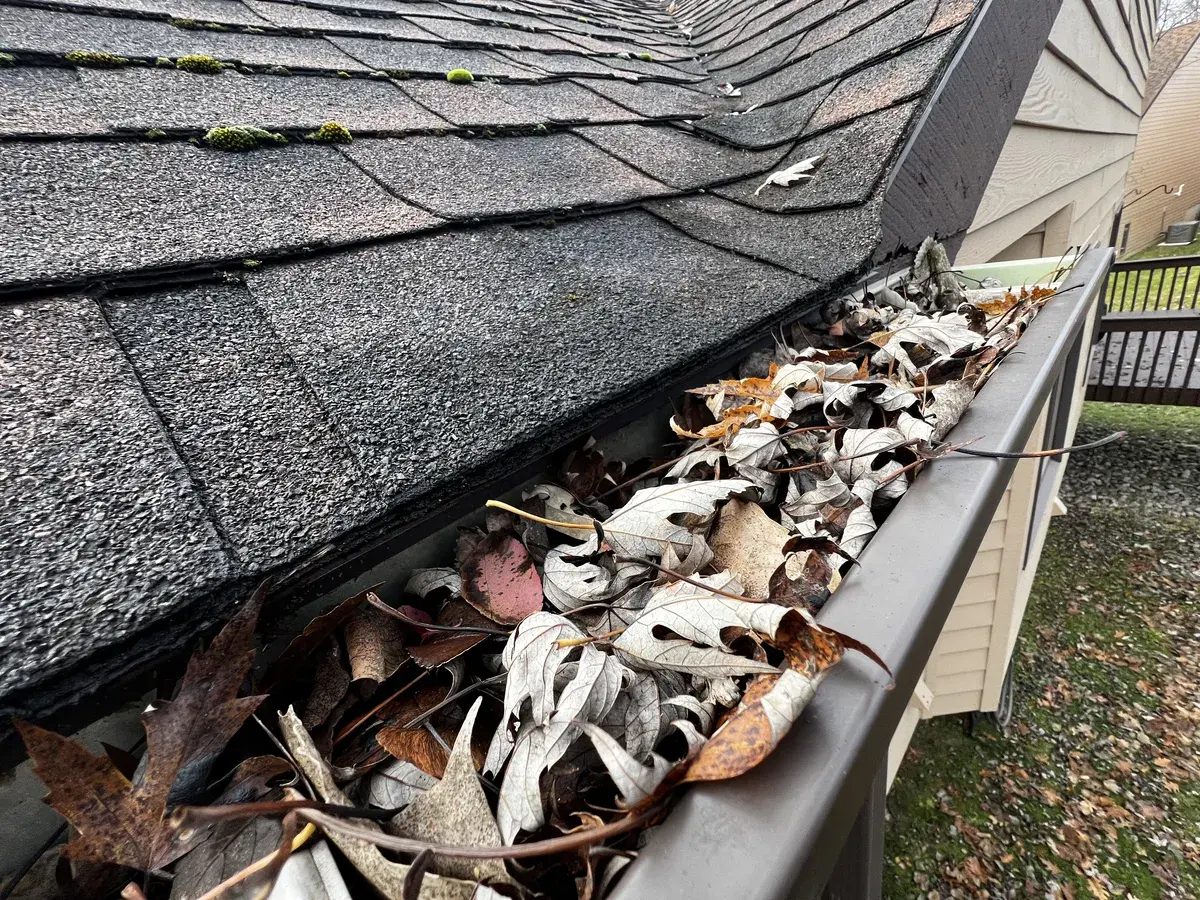
October Loblolly Pine shedding initiates heavy accumulation in Cimarron. Interlocking foliage blocks gutter openings and prevents water entry.
Rolesville, Youngsville, Franklinton, Wakefield, Falls River, Bedford, Stony Hill, New Light, Forestville, Wyatt, Louisburg, Creedmoor, Zebulon, Wendell, Knightdale.
Why Choose Us
Get Your Firm Quote in 15 Minutes
Request your free quote online
Get matched with local pros
Schedule at your convenience
Clean Pro Is Trusted in Wake Forest
" Great job. Fast, no hassle. Left the surrounding area clean. "
Jeremy Troedson
Wake Forest, North Carolina
" Excellent all around. "
Mark Sigmon
Raleigh, NC
" Fast and thorough. Gentlemen I interacted with was very friendly. "
Ian Dickerson
Raleigh, NC
Rated 4.9 stars by 3,700+ happy customers
Your Turn — Free QuoteGutter Cleaning for Wake Forest Homes
Wake Forest gutter cleaning extracts White Oak catkins and Sweetgum pods. Loblolly Pine accumulation displaces rain that saturates Cecil clay loam and fractures Heritage foundations.
Gutter Cleaning For Single-Story Standard
Gutter Cleaning For Two-Story High-Access
Gutter Cleaning For Multi-Level Estate
Wake Forest Gutter Maintenance Schedule
Wake Forest mandates 4 annual cleanings as Loblolly Pine needles and White Oak catkins overwhelm drainage systems. Regular maintenance prevents hydrostatic pressure in Cecil clay soil that fractures crawlspace foundations.
| Season | Recommended Window | Target Debris & Risk | Why It's Critical |
|---|---|---|---|
| Spring | March – May | White Oak catkins and pollen sludge clog mesh guards and restrict water flow. | Overflow saturates Ultisol soil which displaces crawlspace foundations and accelerates settlement. |
| Summer | June – August | Vegetative debris traps water that generates Asian Tiger Mosquito larvae and Carpenter Ant nests. | Saturation causes wood rot which damages fascia boards and compounds foundation settlement. |
| Fall | September – November | Loblolly Pine needles and deciduous leaves overwhelm gutters and create debris dams. | Heavy loads fracture gutter spikes and degrade aluminum channels near complex rooflines. |
| Winter | December – February | Sweetgum pods and frozen sludge obstruct downspout throats and solidify into ice blocks. | Blockages trigger ice dams that fracture gutter seams and damage roof shingles. |
Spring
Recommended Window
March – May
Target Debris & Risk
White Oak catkins and pollen sludge clog mesh guards and restrict water flow.Why It's Critical
Overflow saturates Ultisol soil which displaces crawlspace foundations and accelerates settlement.Summer
Recommended Window
June – August
Target Debris & Risk
Vegetative debris traps water that generates Asian Tiger Mosquito larvae and Carpenter Ant nests.Why It's Critical
Saturation causes wood rot which damages fascia boards and compounds foundation settlement.Fall
Recommended Window
September – November
Target Debris & Risk
Loblolly Pine needles and deciduous leaves overwhelm gutters and create debris dams.Why It's Critical
Heavy loads fracture gutter spikes and degrade aluminum channels near complex rooflines.Winter
Recommended Window
December – February
Target Debris & Risk
Sweetgum pods and frozen sludge obstruct downspout throats and solidify into ice blocks.Why It's Critical
Blockages trigger ice dams that fracture gutter seams and damage roof shingles.Key Takeaway
Schedule 4 annual cleanings during these seasonal windows: Spring (March – May), Summer (June – August), Fall (September – November), and Winter (December – February). These align with Wake Forest's tree cycles and weather patterns, protecting your foundation, roof, and landscape from water damage and pest infestations.
Wake Forest Drainage Management Within The Northern Raleigh-Cary Metropolitan Basin
Primary Neighborhoods
Nearby Service Areas
Wake County geography dictates regional maintenance protocols based on Cecil soil plasticity and tropical storm frequency.
Northern Franklin County Extensions
Eastern Wake Granite Basin
Southern Metro Connectors
Western Triangle Periphery
Map will load when scrolled into view
North Carolina Service Network
Wake Forest is part of our North Carolina gutter cleaning network. View all metro areas, service communities, and regional maintenance guidance.
View All North Carolina Locations Gutter Guard Protection in Wake Forest
Residents in Heritage often require cleaning three times annually due to heavy accumulation of Loblolly Pine needles and Willow Oak debris. Homeowners See gutter guard pricing and installation details for Wake Forest to secure long-term protection against dense pine needle accumulation. Clean Pro provides firm quotes for 304 stainless steel systems at $22.50 per linear foot without requiring in-home sales consultations.
Wake Forest Gutter Cleaning: Cecil Soil Hydrostatic Pressure Mitigation?
Expansive Clay Foundations
Wake Forest gutter cleaning directs water away from expansive clay foundations.
Cecil clay loam exhibits high plasticity and expands significantly upon saturation. Ultisols dominate the local geology and react aggressively to moisture changes. Uncontrolled roof runoff saturates the soil adjacent to foundation walls. This saturation generates intense hydrostatic pressure against crawlspace and slab-on-grade structures. Subsequent droughts cause the soil to contract and pull away from the concrete. This cycle triggers differential settlement and structural cracks. Wake Forest receives 46.5 inches of annual rainfall. Effective drainage systems mandate 8-foot downspout extensions to bypass the active soil zone. Failure to manage this volume compromises structural stability.
Cecil sandy loam foundation damage can cost up to $30,000 according to This Old House's 2025 pricing data — more than 100x the cost of a single gutter cleaning.
Mitigating Tropical Cyclone and Ice Dam Damage
Routine drainage maintenance in Wake Forest prevents water intrusion during severe weather events.
Tropical cyclones and summer thunderstorms dump massive water volumes onto local roofs. Hurricane Florence deposited 6-8 inches of rain in September 2018. Debris-clogged systems fail under this deluge intensity and cause immediate basement flooding. Vegetative debris compounds the blockage risk during these high-flow events. Winter brings Wintry Mix events that freeze inside clogged channels. This ice accumulation forms dams that force meltwater under shingles. Blocked gutters trap water during January and February. The resulting weight pulls gutters away from the fascia board. Proper clearing eliminates these heavy ice formations.
Managing Loblolly Pine and White Oak Debris
Scheduled debris extraction in Wake Forest eliminates organic obstructions from roofing systems.
Local foliage deposits heavy biomass into gutter troughs year-round. Loblolly Pine needles create dense mats in Cimarron and Heritage. These mats bridge gutter openings and deflect water away from the channel. White Oak catkins decompose into sludge in the Wake Forest Historic District. This paste clogs mesh guards and downspout elbows. Sweetgum pods create physical dams during January through March. Pinus taeda sheds volume that overwhelms standard systems. Removal prevents water backup and wood rot.
Local Vegetation Impact Analysis
- Loblolly Pine: Sheds needles in October and November that interlock into non-permeable mats.
- White Oak: Drops fibrous catkins in April that create sludge-like paste in elbows.
- Sweetgum: Releases spiky fruit capsules in Winter that physically obstruct downspout throats.
Protecting Heritage and Historic District Roofing Systems
Professional channel clearing across Wake Forest neighborhoods preserves distinct architectural drainage mechanisms.
Heritage at Wake Forest features complex multi-story rooflines with high elevations. Accessing these gutters necessitates 40-foot extension ladders for safety. Builder-grade 5-inch aluminum gutters often lack capacity for these large surface areas. Homes in the Wake Forest Historic District present steep roof pitches. Aging fascia boards in this area rot quickly when gutters overflow. Saturated wood attracts Carpenter Ants during Spring and Summer. Bishop's Grant properties mandate precise water routing due to tight lot spacing. Preservation standards dictate material maintenance over replacement in historic zones. Uncontrolled runoff damages adjacent property landscaping.
Risks of Neglect
- Loblolly Pine leaf fall overwhelming gutters
- Saturated debris weight pulling gutters from fascia
- Cecil sandy loam erosion & foundation shifting
- White Oak debris compounding blockages
Benefits of Regular Cleaning
- Clear Loblolly Pine leaves before winter freeze
- Prepare your home for winter weather
- Protect Cecil sandy loam foundation stability
- Stay current with 4x/year recommended schedule
October Loblolly Pine leaf drop is filling Heritage at Wake Forest gutters — clear them before winter freeze.
Schedule October Leaf RemovalProperty Requirements
Professional gutter cleaning protocols for Wake Forest properties.
Cleaning Protocol
Inspection
Full assessment of roof, gutters, and downspouts for leaf accumulation, blockages, and fascia condition
Debris Removal
Hand removal of Loblolly Pine and White Oak debris from all gutter runs and downspout entries
Clear & Verify
Clear compacted Loblolly Pine material and verify downspout throughput
Final Check
Verify all downspouts direct water away from Cecil sandy loam foundation
Wake Forest Gutter Cleaning FAQs
Ready to Protect Your Wake Forest Home?
Protect My Home — Free Quote in Minutes