Dayton Gutter Cleaning
Satellite-Measured. Same-Week Service.
Quote in15 Minutes
PicturesSent
30 DayWarranty
No needTo Be Home
Flat-rate gutter cleaning from $249. Serving the Dayton area. | Call: 877-736-0586
As Seen On





Clean Pro Gutter Cleaning Dayton
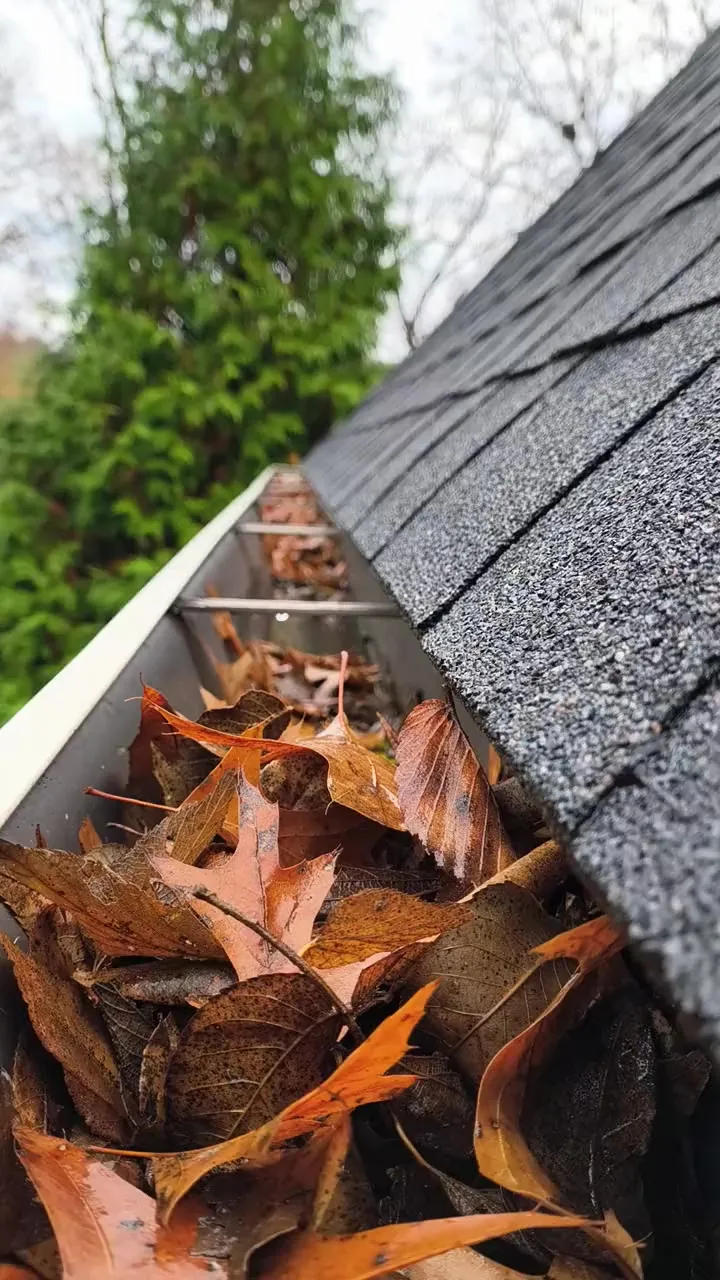
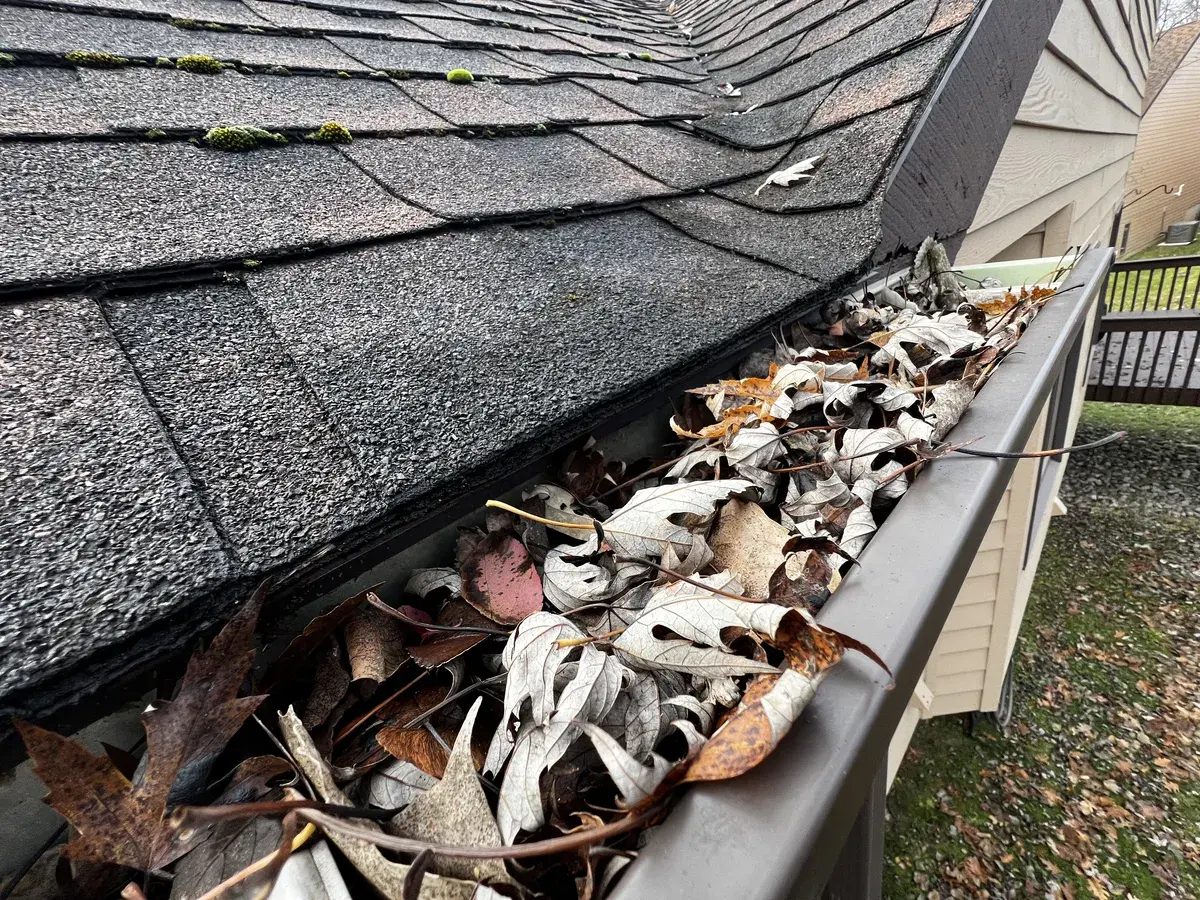
October deciduous shedding deposits heavy wet foliage into Kettering gutter systems. The weight creates sag that detaches hidden hangers from fascia.
Our network covers the entire Miami Valley region, providing specialized care for the diverse neighborhoods that make up the city.
Why Choose Us
Get Your Firm Quote in 15 Minutes
Request your free quote online
Get matched with local pros
Schedule at your convenience
Clean Pro Is Trusted in Dayton
" Great...showed photos post completion. Quick and efficient "
Randy Compton
Dayton, OH
" He did an awesome job on all my gutters, he even cleaned a camera that someone had spray painted for me. Im looking forward to his services in the fut... "
Danielle Hinderer
Dayton, OH
" He showed me the pics of the gutters and everything looked great. "
David Throop
Dayton, OH
Rated 4.9 stars by 3,700+ happy customers
Your Turn — Free QuoteGutter Cleaning for Dayton Homes
Dayton extracts dense Silver Maple samaras from residential drainage networks. Saturated Pin Oak debris triggers hydrostatic pressure fractures in Miamian Silt Loam foundations.
Gutter Cleaning For Single-Story Standard
Gutter Cleaning For Two-Story High-Access
Gutter Cleaning For Multi-Level Estate
Dayton Gutter Maintenance Schedule
Dayton mandates 4 annual cleanings as the Silver Maple and Pin Oak canopy accelerates dense biomass accumulation. This frequency prevents Miamian Silt Loam saturation which causes hydrostatic pressure and fractures basement foundations.
| Season | Recommended Window | Target Debris & Risk | Why It's Critical |
|---|---|---|---|
| Spring | May – June | Dense Silver Maple samara and Oak catkin accumulation creates interlocking mats. | Saturation triggers Carpenter Ant infestation and degrades fascia boards. |
| Summer | July – August | Mosquito larvae and storm-driven arboreal biomass accumulation fills stagnant troughs. | Overflow saturates Miamian Silt Loam and damages slab-on-grade integrity. |
| Fall | October – November | Eastern White Pine needle and deciduous leaf buildup clogs downspouts. | Trapped water fractures masonry and accelerates foundation degradation. |
| Winter | December – January | Pin Oak foliage and residual biomass obstruction solidifies into ice dams. | Ice dam formation displaces shingles and degrades roof structures. |
**Spring**
Recommended Window
May – June
Target Debris & Risk
Dense Silver Maple samara and Oak catkin accumulation creates interlocking mats.Why It's Critical
Saturation triggers Carpenter Ant infestation and degrades fascia boards.**Summer**
Recommended Window
July – August
Target Debris & Risk
Mosquito larvae and storm-driven arboreal biomass accumulation fills stagnant troughs.Why It's Critical
Overflow saturates Miamian Silt Loam and damages slab-on-grade integrity.**Fall**
Recommended Window
October – November
Target Debris & Risk
Eastern White Pine needle and deciduous leaf buildup clogs downspouts.Why It's Critical
Trapped water fractures masonry and accelerates foundation degradation.**Winter**
Recommended Window
December – January
Target Debris & Risk
Pin Oak foliage and residual biomass obstruction solidifies into ice dams.Why It's Critical
Ice dam formation displaces shingles and degrades roof structures.Key Takeaway
Schedule 4 annual cleanings during these seasonal windows: Spring (May – June), Summer (July – August), Fall (October – November), and Winter (December – January). These align with Dayton's tree cycles and weather patterns, protecting your foundation, roof, and landscape from water damage and pest infestations.
Pine Tree Exception
If you have Pine Trees on your property (common in The Oregon District, Huber Heights, Oakwood, or Centerville), the standard schedule is insufficient. Pine needles bypass standard screens and create dense, localized dams that trap moisture year-round.
Recommended: Quarterly Service (Every 3 Months)
This prevents fascia rot and minimizes fire risk from accumulated pine needle buildup.
Dayton Drainage Solutions Across the Great Miami River Watershed Basin
Primary Neighborhoods
Regional Coverage
The Miami Valley region dictates robust debris management protocols due to frequent freeze-thaw cycles and heavy deciduous leaf fall.
Southern Suburban Tier
Great Miami River Corridor
Northern Metro Access
Eastern Defense Sector
Western Municipality
Map will load when scrolled into view
Ohio Service Network
Dayton is part of our Ohio gutter cleaning network. View all metro areas, service communities, and regional maintenance guidance.
View All Ohio Locations Gutter Guard Protection in Dayton
Silver Maple samaras frequently bridge gap openings in Oregon District drainage systems, creating run-off issues that require frequent cleaning. Clean Pro’s stainless steel mesh guards block leaves and debris to ensure consistent water management. See gutter guard pricing and installation details for Dayton to obtain a firm quote without home visits.
Dayton Gutter Cleaning: Miamian Silt Loam Threat Resolution?
Foundation Damage Caused by the Hydrostatic Pressure Inherent to Miamian Silt
Dayton gutter cleaning prevents foundation damage caused by the hydrostatic pressure inherent to Miamian Silt Loam.
This Alfisols (Typic Hapludalfs) soil classification saturates rapidly and retards vertical drainage near full basements and crawlspaces. Saturation generates high hydrostatic pressure that fractures masonry walls during Dayton's 41.6-inch annual rainfall. May and June precipitation peaks compound this threat by dumping water against compromised perimeter beams. Ten-foot downspout extensions displace runoff away from the home to negate dangerous soil swelling.
Unchecked discharge initiates interior flooding and necessitates expensive structural remediation for Montgomery County homeowners. Proper water displacement eliminates the primary trigger for basement instability.
Miamian Silt Loam foundation damage can cost up to $30,000 according to This Old House's 2025 pricing data — more than 100x the cost of a single gutter cleaning.
Mitigating Freeze-Thaw Cycles and Storm Residuals
Routine drainage maintenance mitigates the high ice dam risk generated by Dayton's frequent freeze-thaw cycles.
Temperature fluctuations cause meltwater to refreeze at the roof edge during January and February. These ice formations force water under shingles and destroy interior drywall, insulation, and soffits. The 2019 Memorial Day Tornado Outbreak legacy includes wind-blown debris that creates long-term drainage obstructions. Heavy rainfall events in May and June overwhelm clogged systems and degrade wooden fascia boards.
Unobstructed channels distribute storm water to prevent overflow damages and protect the building envelope. Regular clearing eliminates the accumulation points that facilitate ice formation.
Extracting Arboreal Biomass in Kettering and Riverside
Scheduled debris extraction eliminates water flow resistance caused by dense Silver Maple and Pin Oak shedding.
Trees in Deweese and Riverside deposit heavy biomass loads that create dense interlocking mats. Pin Oak (Quercus palustris) marcescence deposits acidic tannins that accelerate metal corrosion in gutter troughs during November. Eastern White Pine needles accumulate in Beavercreek to form fine sediment sludge that blocks downspouts. Neglected organic debris triggers overflow that damages siding and saturates foundation soils.
Decomposition of this biomass compounds blockage density and impedes water evacuation. Thorough removal prevents the chemical degradation of aluminum components.
Local Vegetation Debris Profiles
- Silver Maple (May-June): Winged samaras form dense interlocking mats that resist water flow.
- Pin Oak (November-January): Marcescence deposits acidic tannins that accelerate metal corrosion.
- Eastern White Pine (September-November): Needles accumulate inside the trough and create fine sediment sludge.
Protecting Historic and Modern Roofing Systems
Roof drainage service across The Oregon District protects distinct architectural features from water damage.
Historic homes from the 1820s utilize box gutters that mandate material retention to prevent cornice rot. Modern canopy runoff volumes overwhelm undersized aluminum systems on Huber Heights ranch-style homes. Steep slate roofs in Oakwood accelerate water velocity and compress debris into sudden, solid blockages. Complex roof valleys in Centerville homes from the 1990s concentrate flow and trigger localized overflow points.
Preservation guidelines in historic zones dictate specific material retention standards. Proper water management preserves these varied architectural systems against degradation.
Risks of Neglect
- Silver Maple leaf fall overwhelming gutters
- Saturated debris weight pulling gutters from fascia
- Miamian Silt Loam erosion & foundation shifting
- Pin Oak debris compounding blockages
Benefits of Regular Cleaning
- Clear Silver Maple leaves before winter freeze
- Prepare your home for winter weather
- Protect Miamian Silt Loam foundation stability
- Stay current with 4x/year recommended schedule
October Silver Maple leaf drop is filling The Oregon District gutters — clear them before winter freeze.
Schedule October Leaf RemovalHistoric and Modern Architecture Requirements
Properties in Dayton's historic districts, such as the Oregon District and St Anne’s Hill, often feature distinct architectural elements like built-in box gutters and slate roofing. These systems require specialized handling, as the materials are sensitive to foot traffic and harsh mechanical abrasion. Copper gutters found on Victorian-era homes develop a protective patina that must be preserved during the cleaning process to maintain both value and aesthetic integrity. In suburban areas like Centerville and Huber Heights, modern construction typically utilizes aluminum K-style gutters paired with asphalt shingle roofs. While these systems are more standard, the expansive clay soil in these flat regions makes downspout extensions critical. Water must be moved at least five to ten feet away from the home to prevent the "bath-tub effect" around the foundation. Ensuring that downspouts are clear and properly connected to underground drains or splash blocks is a standard requirement for these properties.
Cleaning Protocol
Inspection
Full assessment of roof, gutters, and downspouts for leaf accumulation, blockages, and fascia condition
Debris Removal
Hand removal of Silver Maple and Pin Oak debris from all gutter runs and downspout entries
Clear & Verify
Clear compacted Silver Maple material and verify downspout throughput
Final Check
Verify all downspouts direct water away from Miamian Silt Loam foundation
Dayton Gutter Cleaning FAQs
Ready to Protect Your Dayton Home?
Protect My Home — Free Quote in Minutes