
Fort Mill Gutter Cleaning
Satellite-Measured. Same-Week Service.
Quote in15 Minutes
PicturesSent
30 DayWarranty
No needTo Be Home
Flat-rate gutter cleaning from $249. Serving the Fort Mill area. | Call: 877-736-0586
As Seen On





Clean Pro Gutter Cleaning Fort Mill
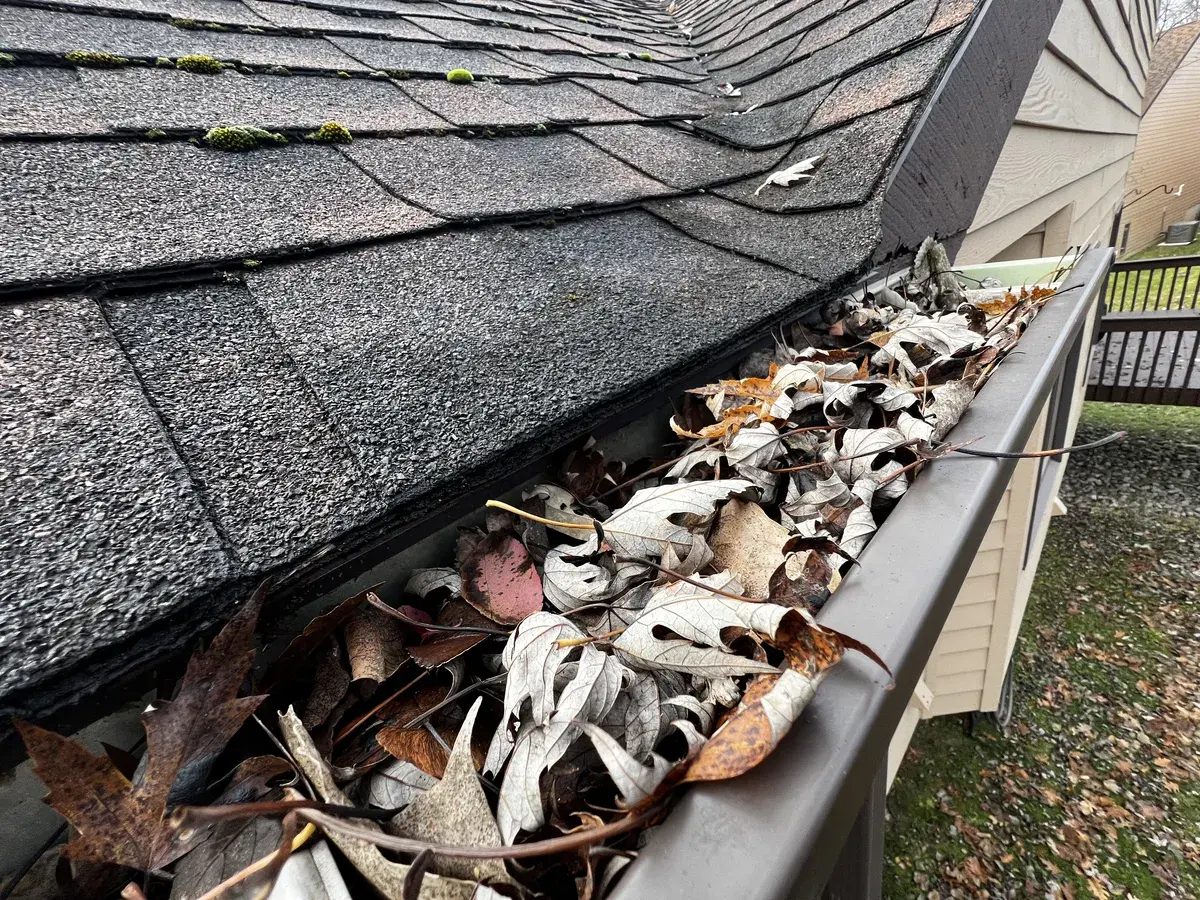
October marks the peak shedding season for Loblolly Pines in Whitegrove. The long needles interlock to form a mesh that traps roof grit.
Our network covers the entirety of Fort Mill and the rapidly expanding York County corridor.
Why Choose Us
Get Your Firm Quote in 15 Minutes
Request your free quote online
Get matched with local pros
Schedule at your convenience
Clean Pro Is Trusted in Fort Mill
" Eric was very prompt & efficient. "
Sarah Pitts
Fort Mill, South Carolina
" I use you every year, and he was great. I was at work (knowing I don't have to be here) and he sent me photos. Very pleased. Tell him thank you, on my... "
Sarah Pitts
Fort Mill, SC
" Thorough, great communication while on site - sent pictures of one gutter issue. Very informative "
Dennis DeMasie
Rated 4.9 stars by 3,700+ happy customers
Your Turn — Free QuoteGutter Cleaning for Fort Mill Homes
Fort Mill removes dense Loblolly Pine needles from Whitegrove gutters to restore flow. Sweetgum blockages trigger Cecil sandy loam expansion that fractures slab-on-grade foundations.
Gutter Cleaning For Single-Story Standard
Gutter Cleaning For Two-Story High-Access
Gutter Cleaning For Multi-Level Estate
Fort Mill Gutter Maintenance Schedule
Fort Mill mandates 4 annual cleanings as Loblolly Pine needles and Sweetgum capsules create dense, interlocking blockages. This frequency prevents Cecil sandy loam saturation that generates destructive hydrostatic pressure against Slab-on-grade foundations.
| Season | Recommended Window | Target Debris & Risk | Why It's Critical |
|---|---|---|---|
| Spring | March – May | Southern Red Oak catkins and pollen sludge fill gutter troughs. | Heavy accumulation saturates Cecil sandy loam which displaces Crawlspace supports. |
| Summer | June – August | Asian Tiger Mosquito larvae and Smoky Brown Cockroach nests block water flow. | Overflow damages landscaping and degrades foundation stability during thunderstorms. |
| Fall | September – November | Loblolly Pine needles and deciduous leaves trap silt in the gutter guard. | Clogged systems cause hydrostatic pressure that fractures basement walls. |
| Winter | December – February | Sweetgum capsules and ice dams obstruct downspout elbows. | Trapped moisture solidifies which fractures gutter seams and degrades roof decking. |
Spring
Recommended Window
March – May
Target Debris & Risk
Southern Red Oak catkins and pollen sludge fill gutter troughs.Why It's Critical
Heavy accumulation saturates Cecil sandy loam which displaces Crawlspace supports.Summer
Recommended Window
June – August
Target Debris & Risk
Asian Tiger Mosquito larvae and Smoky Brown Cockroach nests block water flow.Why It's Critical
Overflow damages landscaping and degrades foundation stability during thunderstorms.Fall
Recommended Window
September – November
Target Debris & Risk
Loblolly Pine needles and deciduous leaves trap silt in the gutter guard.Why It's Critical
Clogged systems cause hydrostatic pressure that fractures basement walls.Winter
Recommended Window
December – February
Target Debris & Risk
Sweetgum capsules and ice dams obstruct downspout elbows.Why It's Critical
Trapped moisture solidifies which fractures gutter seams and degrades roof decking.Key Takeaway
Schedule 4 annual cleanings during these seasonal windows: Spring (March – May), Summer (June – August), Fall (September – November), and Winter (December – February). These align with Fort Mill's tree cycles and weather patterns, protecting your foundation, roof, and landscape from water damage and pest infestations.
Fort Mill Gutter Defense Strategies for the Catawba River Basin and Piedmont Plateau
Primary Neighborhoods
Nearby Service Areas
Expansive Piedmont clay soils and heavy summer convective storms dictate regional water diversion protocols.
Catawba River Corridor
York County West
Eastern Panhandle
North Carolina Border Zone
Map will load when scrolled into view
South Carolina Service Network
Fort Mill is part of our South Carolina gutter cleaning network. View all metro areas, service communities, and regional maintenance guidance.
View All South Carolina Locations Gutter Guard Protection in Fort Mill
Loblolly Pine needles in Baxter Village frequently penetrate standard perforation holes and necessitate cleaning services three times per year. Homeowners in Springfield Explore gutter guard installation options for Fort Mill homes to secure stainless steel mesh protection against pine debris. The network provides firm quotes at $22.50 per linear foot without requiring in-home sales consultations.
Fort Mill Gutter Cleaning: Cecil Sandy Loam Threat Resolution?
Foundation Damage Caused by the Expansive Behavior of Cecil Sandy Loam Soil
Fort Mill gutter cleaning prevents foundation damage caused by the expansive behavior of Cecil sandy loam soil.
Cecil sandy loam exhibits significant shrink-swell capacity during the 44.2 inches of annual rainfall.
Uncontrolled gutter discharge saturates perimeter soil, generating hydrostatic pressure against slab-on-grade and crawlspace foundations.
Rapid expansion shifts structural beams before drought conditions trigger contraction and soil support loss.
Effective drainage systems direct water 6 feet away from the home to neutralize this volatility.
Cecil sandy loam foundation damage can cost up to $30,000 according to This Old House's 2025 pricing data — more than 100x the cost of a single gutter cleaning.
Mitigating Summer Thunderstorm and Freeze Event Damage
Routine drainage maintenance in Fort Mill mitigates roof system overload during high-volume summer convective thunderstorms.
Intense precipitation events peak during July and August, overwhelming obstructed channels with rapid water influx.
Historical data cites Hurricane Ian on September 30, 2022, which deposited 4+ inches of rain.
Debris blockages freeze during the 40 to 50 freezing nights annually, creating ice dams that degrade shingles.
Water expansion within clogged downspouts splits aluminum seams and detaches mounting brackets from fascia boards.
Extracting Pine Needle and Sweetgum Debris
Professional channel clearing across Whitegrove and The Reserve removes dense interlocking mats of Loblolly Pine needles.
Loblolly Pine needles interlock inside troughs to form mesh-like barriers that trap heavy silt deposits.
Sweetgum trees drop spiky fruit capsules that lodge firmly in downspout elbows, creating immediate flow stoppages.
Decomposing organic matter attracts the Asian Tiger Mosquito during May through September breeding cycles.
Local Tree Debris Profiles
- Loblolly Pine (Whitegrove): Flexible needles create mesh traps in October and November.
- Sweetgum (Historic Downtown): Fruit capsules block drains from December through February.
- Southern Red Oak (Baxter Village): Spring catkins form resistant sludge in April.
Protecting Steep Pitch Roofs in Baxter Village
Scheduled debris extraction in Fort Mill protects complex architectural features found in Baxter Village and Massey.
Homes in Baxter Village feature steep-pitch Victorian roofing where debris accumulates rapidly in valley junctions.
Whitegrove properties constructed in the 1990s often utilize undersized 5-inch gutters that overflow under pine load.
Massey neighborhood residences accumulate airborne construction dust that settles as heavy, sagging sludge within long gutter runs.
Cleaning protocols address these structural variances to prevent fascia rot and soffit water intrusion.
Risks of Neglect
- Loblolly Pine leaf fall overwhelming gutters
- Saturated debris weight pulling gutters from fascia
- Cecil sandy loam erosion & foundation shifting
- Sweetgum debris compounding blockages
Benefits of Regular Cleaning
- Clear Loblolly Pine leaves before winter freeze
- Prepare your home for winter weather
- Protect Cecil sandy loam foundation stability
- Stay current with 4x/year recommended schedule
October Loblolly Pine leaf drop is filling Baxter Village gutters — clear them before winter freeze.
Schedule October Leaf RemovalArchitectural Considerations
The architectural diversity in Fort Mill, ranging from the neo-traditional styles of Baxter Village to the sprawling estates of Epps Valley, dictates specific maintenance protocols. High-density communities often feature steep-pitched roofs with complex valley systems that channel high volumes of water into short gutter runs. These areas require frequent monitoring to handle the runoff from summer convection storms. Furthermore, many local Homeowners Associations enforce strict aesthetic guidelines regarding exterior maintenance. The humidity in Fort Mill promotes the growth of Gloeocapsa Magma, a bacteria that causes black streaking on roofs and gutters. Regular cleaning is often required not just for functionality, but to comply with community standards and avoid penalties in managed neighborhoods.
Cleaning Protocol
Inspection
Full assessment of roof, gutters, and downspouts for leaf accumulation, blockages, and fascia condition
Debris Removal
Hand removal of Loblolly Pine and Sweetgum debris from all gutter runs and downspout entries
Clear & Verify
Clear compacted Loblolly Pine material and verify downspout throughput
Final Check
Verify all downspouts direct water away from Cecil sandy loam foundation
Fort Mill Gutter Cleaning FAQs
Ready to Protect Your Fort Mill Home?
Protect My Home — Free Quote in Minutes